Casa Drummond, el centro de hospitalidad de Bodega Trivento ubicado en Luján de Cuyo, obtuvo el Best Of Wine Tourism – Global Winner 2027, una de las distinciones internacionales más relevantes del turismo del vino. El reconocimiento fue anunciado durante la ceremonia mundial realizada en el Napier War Memorial Centre, en la región vitivinícola de Hawke’s Bay, Nueva Zelanda.
La ceremonia formó parte de la Asamblea General Anual de Great Wine Capitals Global Network, la red internacional que reúne a regiones vitivinícolas de referencia. En ese marco, un jurado internacional anunció los ganadores globales de los Best Of Wine Tourism, que distinguen iniciativas destacadas por su contribución al desarrollo del turismo del vino.
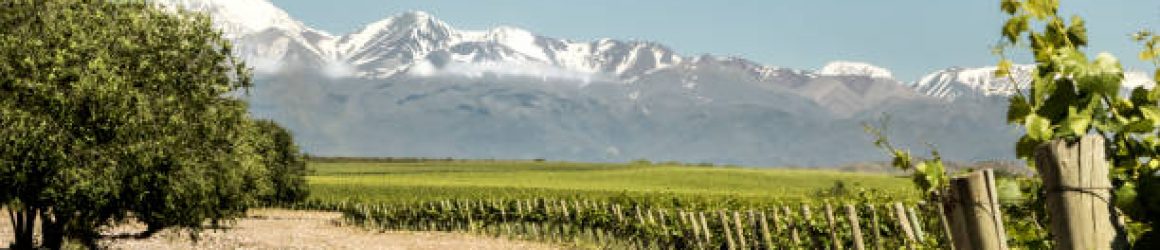
El premio llega después de que Casa Drummond obtuviera el Oro en la instancia regional de los Best Of Wine Tourism, en la categoría Arquitectura y Paisaje. El nuevo reconocimiento internacional distingue un proyecto que combina la recuperación de un conjunto patrimonial emblemático con una propuesta contemporánea de hospitalidad, integrada al paisaje vitivinícola mendocino.
“Este Best Of Wine Tourism – Global Winner 2027 tiene un significado muy especial. Nos sentimos parte de un legado que comenzó con aquellos pioneros que hicieron grande al vino de Mendoza, y tenemos la responsabilidad de proyectarlo al mundo. Casa Drummond une esas dos miradas: recuperar nuestra historia para contar, sobre todo, el presente y el futuro del vino argentino. Felicitaciones a Fernanda Vila y a todo el equipo de Trivento que lo hizo posible”, expresó Marcos Jofré, CEO de Bodega Trivento.
Por su parte, Fernanda Vila, gerente de Turismo y Hospitalidad de Bodega Trivento, destacó el valor del reconocimiento para el equipo y la visión que guía el desarrollo del espacio: “Ser reconocidos como Global Winner representa un enorme orgullo para todo el equipo. Casa Drummond fue concebida como un espacio donde la arquitectura, el paisaje y el vino dialogan de manera natural. Que esta propuesta sea valorada entre las mejores del mundo nos impulsa a seguir desarrollando experiencias auténticas que conecten a nuestros visitantes con Mendoza y su cultura vitivinícola”.
Una recuperación patrimonial
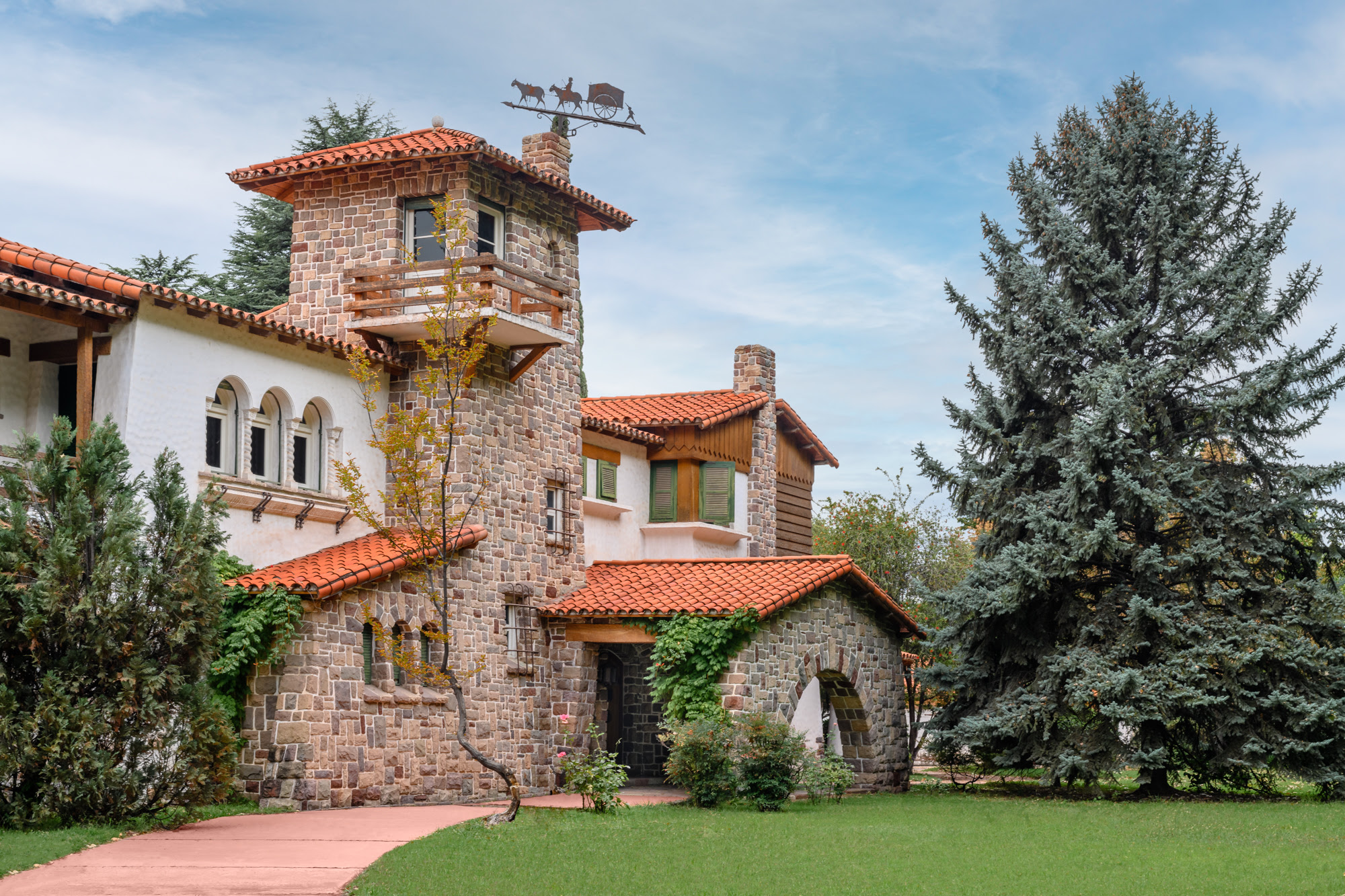
Ubicada en Mayor Drummond, Luján de Cuyo, la propiedad reúne una residencia de estilo neocolonial californiano construida en 1940, jardines históricos, viñedos y una bodega dedicada a la elaboración de vinos de alta gama, entre ellos su Malbec con Denominación de Origen Controlada (D.O.C.).
Bodega Trivento adquirió Casa Drummond en 2021 y emprendió un proceso de restauración y revitalización que buscó preservar su identidad arquitectónica y su valor histórico, incorporando al mismo tiempo nuevos espacios destinados a recibir visitantes. La intervención permitió recuperar un sitio representativo de la historia vitivinícola de Mendoza y transformarlo en un espacio de encuentro entre el patrimonio, el vino y la cultura local.
Actualmente, Casa Drummond ofrece visitas guiadas, degustaciones y experiencias gastronómicas que invitan a descubrir la diversidad de los terruños mendocinos y conocer el proceso de elaboración de los vinos de la bodega.
El Best Of Wine Tourism – Global Winner 2027 reconoce el alcance internacional de esta iniciativa y pone en valor una manera de concebir el turismo del vino en la que la arquitectura, el paisaje y la memoria se integran a una experiencia contemporánea.
Con este galardón, Casa Drummond fortalece la presencia de Mendoza en el mapa mundial del enoturismo y destaca el potencial de la Argentina para ofrecer experiencias que conectan su identidad vitivinícola con visitantes de todo el mundo.
Acerca de Bodega Trivento
Fundada en 1996 en Mendoza, Trivento es un referente indispensable del vino en el mundo. Reconocido como el vino argentino N°1 en el mundo en ventas en valor (2020-2025), Trivento combina continua inversión tecnológica e innovación con una profunda identidad de su terruño.
Con el propósito de ser el vino argentino que acompaña e inspira en cada etapa de la vida, la bodega se apoya en la excelencia enológica y en un modelo de negocio comprometido con el desarrollo sostenible. Trivento está adherida al Pacto Global de las Naciones Unidas (Agenda 2030) y desde 2021 cuenta con la certificación como Empresa B, destacando por su impacto positivo en el cambio climático, la educación, el cuidado del suelo y la integridad empresarial. Hoy, la compañía integra a 370 colaboradores y posiciona al vino argentino en los mercados más exigentes del mundo.