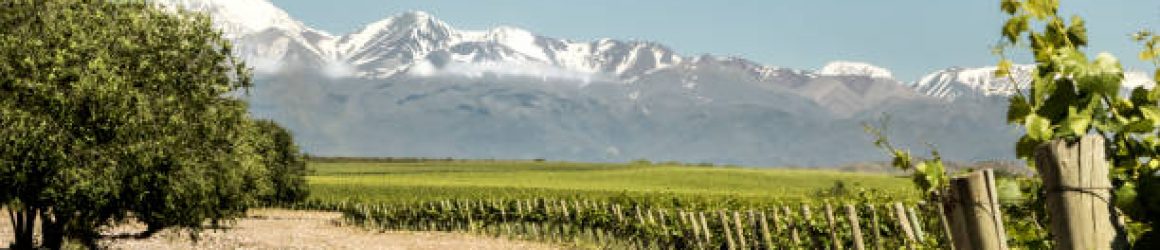
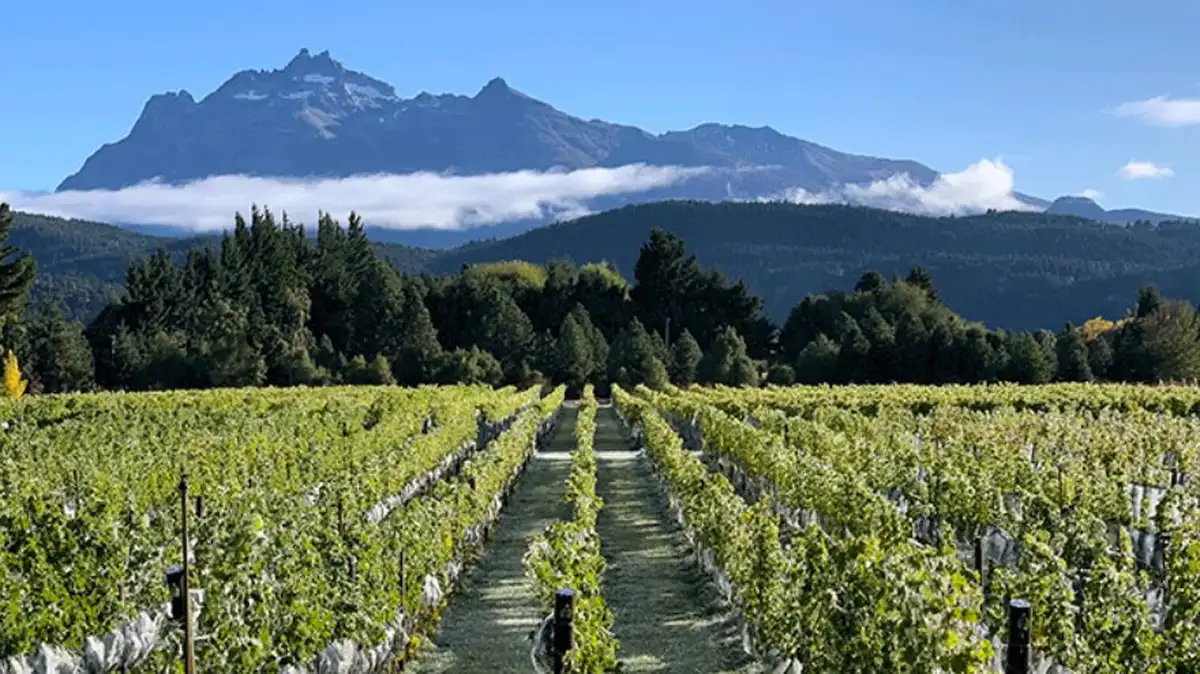
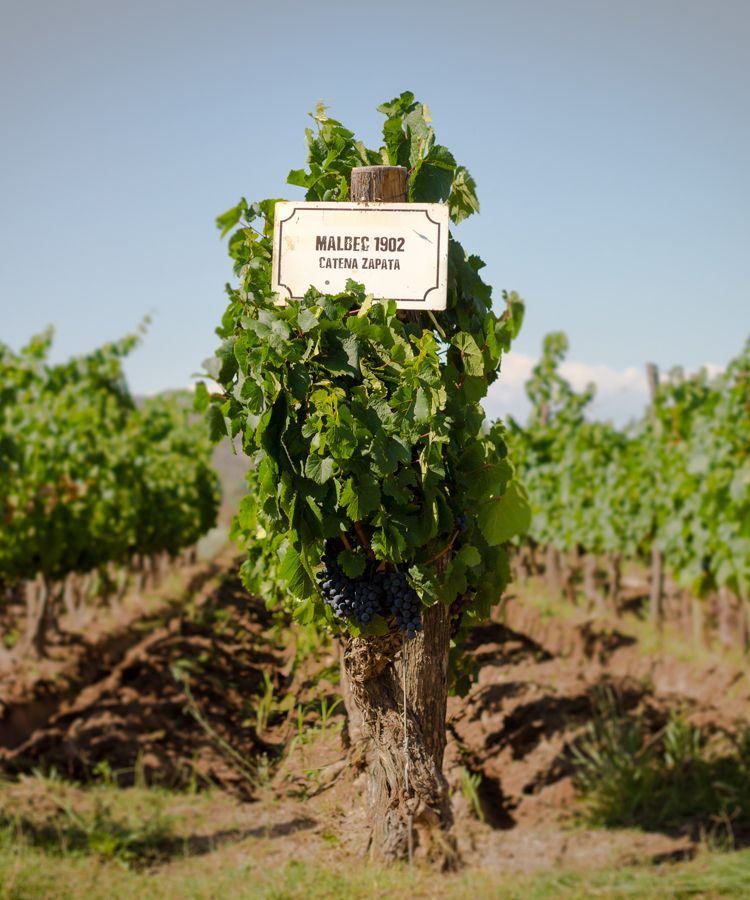
While Mendoza continues to define Argentina’s global wine identity, a new generation of wine regions is reshaping the country’s viticultural landscape. From vineyards planted at extreme altitudes in the Andes to cool-climate sites influenced by the Atlantic Ocean, these emerging regions are producing wines with distinctive personalities and expanding Argentina’s reputation far beyond Malbec.
For decades, Argentina has been synonymous with Mendoza and Malbec. Together, they have established the country as one of the world’s leading wine producers and helped build a strong international reputation.
Yet today’s Argentine wine story is becoming increasingly diverse.
Driven by climate research, changing consumer preferences, and the search for unique terroirs, winemakers are exploring regions that until recently were considered unlikely—or even impossible—for premium viticulture. The result is a fascinating mosaic of landscapes where altitude, ocean influence, limestone soils and extreme climates are giving rise to wines of remarkable character.
Here are five emerging Argentine wine regions that deserve the attention of wine professionals and enthusiasts alike.
1. Quebrada de Humahuaca: viticulture at extreme altitude
Located in the province of Jujuy, in Argentina’s far northwest, Quebrada de Humahuaca is home to some of the highest commercial vineyards in the world, many planted above 2,500 meters (8,200 feet) above sea level.
The region combines intense sunlight, low humidity, dramatic day-night temperature variation and poor, rocky soils. These challenging conditions naturally limit yields while allowing grapes to develop concentrated flavors and remarkable freshness.
Malbec, Cabernet Sauvignon and Syrah perform well here, while white varieties such as Sauvignon Blanc and Torrontés are also showing considerable promise.The resulting wines are vibrant, structured and deeply expressive, offering a distinctive interpretation of high-altitude Argentine viticulture.
2.Chapadmalal and the Atlantic Coast of Argentina
Argentina’s Atlantic coast is quickly becoming one of the country’s most exciting frontiers for cool-climate wines. While Chapadmalal has emerged as the region’s best-known wine destination, new vineyard projects in areas such as General Madariaga are reinforcing the potential of Buenos Aires Province as a distinctive maritime wine region.
Just a few kilometers from the Atlantic Ocean, near the city of Mar del Plata, Chapadmalal represents one of the country’s newest and most exciting cool-climate wine regions.
Here, constant ocean breezes, moderate summer temperatures and maritime humidity create growing conditions rarely associated with Argentina.
These factors favor elegant wines with bright acidity, moderate alcohol levels and exceptional freshness.
Chardonnay, Pinot Noir and Sauvignon Blanc are among the varieties attracting the greatest attention, producing wines that often display citrus aromas, mineral notes and refined texture.
Chapadmalal demonstrates that Argentina is capable of producing wines whose style is closer to classic maritime regions than to the sun-drenched vineyards traditionally associated with South America.
3. Valle de Pedernal: limestone soils
Situated in the province of San Juan at elevations approaching 1,400 meters (4,600 feet), Valle de Pedernal has become one of Argentina’s most exciting emerging premium wine regions.
Its defining feature is its ancient limestone-rich soils, a geological rarity within Argentina that has attracted considerable attention from both producers and wine critics.
Combined with altitude and a continental climate, these soils contribute to wines with impressive structure, freshness and mineral tension.
Malbec, Cabernet Sauvignon, Syrah and Chardonnay have all demonstrated exceptional quality, while the region continues to build an identity based on elegance rather than power.
Many wine professionals consider Pedernal one of Argentina’s most promising terroirs for age-worthy wines.
4. Los Chacayes: one of Uco Valley’s finest terroirs
Although part of Mendoza’s renowned Uco Valley, Los Chacayes has emerged as a wine region worthy of recognition in its own right.
Located at approximately 1,200 meters (3,900 feet) above sea level, it combines alluvial soils, limestone deposits, cool mountain nights and excellent drainage.
Over the past decade, it has attracted many of Argentina’s leading wineries, each exploring how subtle differences in soil and elevation influence wine style.
Malbec remains the flagship variety, but Cabernet Franc has become one of the region’s greatest success stories, producing wines celebrated for their freshness, floral aromatics and refined tannins.
Today, Los Chacayes is widely regarded as one of Argentina’s most dynamic terroirs and an outstanding example of the country’s move toward site-driven winemaking.
5. Chubut: Argentina’s southernmost wine frontier
At the southern edge of Argentine viticulture, Chubut represents one of the world’s most extreme wine-growing regions. Its cool climate, persistent winds and extended daylight during the growing season create ideal conditions for producing wines of remarkable freshness and elegance.
Vineyards around Trevelin, Sarmiento and other emerging areas are demonstrating the region’s potential for cool-climate varieties such as Pinot Noir, Chardonnay, Riesling and Gewürztraminer. Long ripening periods help preserve natural acidity while allowing grapes to develop delicate aromatics and exceptional balance.
Although production remains limited, Chubut has attracted growing attention from winemakers eager to explore new frontiers. The region illustrates how Argentine viticulture continues to expand southward, producing distinctive wines that challenge traditional perceptions of the country’s wine landscape.
Of course, these are not the only emerging wine regions in Argentina. Areas such as Córdoba, Entre Ríos and other parts of Patagonia are also contributing to the country’s increasingly diverse wine landscape. This selection simply highlights five regions whose distinctive terroirs, innovative producers and evolving identities are attracting growing international attention.
About Vinos y Pasiones
Vinos y Pasiones is an independent Argentine digital magazine dedicated to wine, gastronomy, wine tourism and the stories behind the country’s vibrant wine culture. Through original reporting, interviews and feature articles, it connects readers with the people, places and trends shaping Argentina’s evolving wine industry.
Cada publicación la ideamos con mucho amor. Para nosotros es un placer que nos visites y esperamos que todo lo que te guste lo compartas con tus seres queridos. Qué tengas una hermosa vida!!